

Key Safety Features to Look for in Open Storage Facilities
When it comes to storing valuable equipment, vehicles, or inventory, small businesses, tradesmen, builders, and service businesses need to prioritise safety as much as convenience. Open storage facilities can be a practical storage solution, but not all facilities offer the safety measures required to protect your assets from theft, vandalism, or damage.
This blog highlights the critical safety features you should seek when choosing an open storage facility, ensuring your equipment and inventory remain secure while giving you peace of mind.
Why Safety Matters for Open Storage Facilities
Whether you’re a service business storing work vehicles, a tradesman keeping expensive tools, or a small builder safeguarding equipment, the security of your stored goods directly impacts your operations and bottom line. Theft or damage doesn’t just mean replacement costs—it also means potential project delays, insurance claims, and the added stress of unforeseen disruptions.
By selecting an open storage facility with robust safety measures, you mitigate these risks and ensure your business resources are always ready to be deployed.
Read on for the essential safety features any well-equipped open storage facility should provide.
Critical Safety Features for Open Storage Facilities

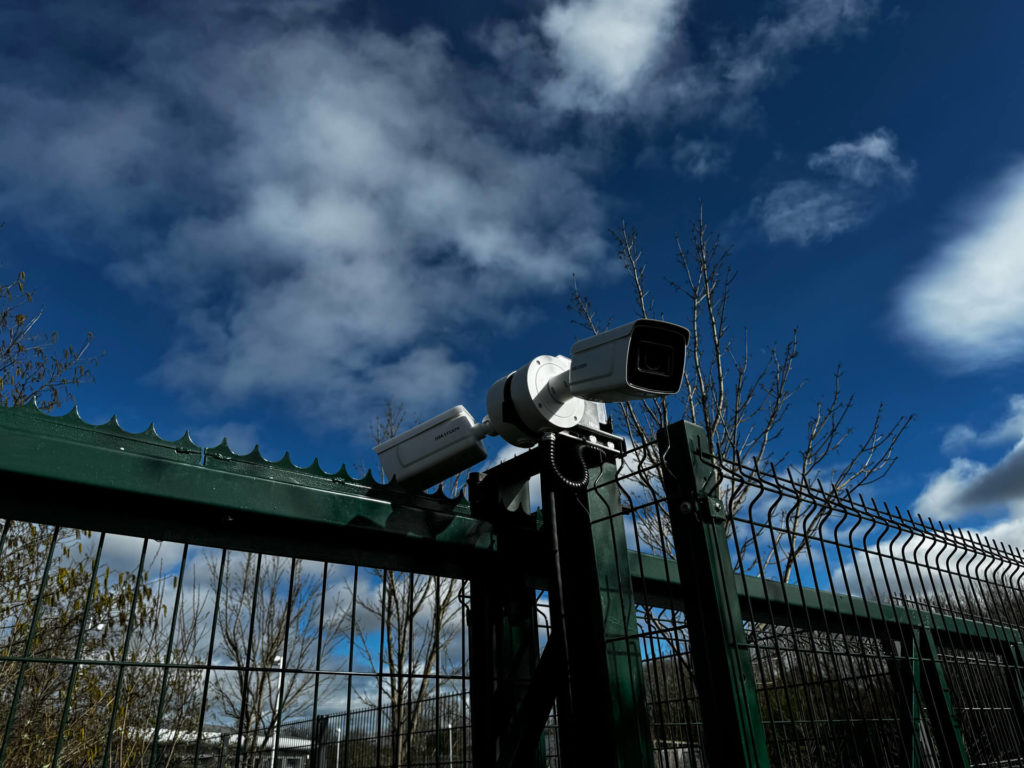
1. 24/7 Surveillance and Monitoring
The presence of constant surveillance—both for deterrence and evidence collection—is non-negotiable in any open storage facility. Look for facilities that offer these features:
- CCTV Cameras strategically placed throughout the premises, covering all angles.
- High-resolution and night-vision capabilities to maintain visibility during all conditions.
- Video footage that is backed up and stored securely for at least 30 days.
Example Benefit: If a fleet owner’s vehicle is tampered with, 24/7 surveillance ensures there’s video evidence, making it easier to identify culprits and protect against recurring incidents.
Ask the facility about its monitoring systems—do they require staff to actively manage surveillance, or are cameras solely a deterrent? The combination of monitored and automated systems is ideal.
2. Secure Perimeter Fencing
A facility’s perimeter acts as the first line of defense against unauthorized entry. Adequate fencing must be robust, tall, and equipped with additional reinforcements. Common options include:
- Razor Wire or Electric Fencing, which acts as a strong deterrent.
- Gates controlled via electronic access codes or keycards partnered with database records for logging entries.
For businesses with sensitive or high-value equipment, fencing with additional measures like motion sensors adds another layer of security.
3. Access Control Systems
Not everyone should have access to an open storage facility—especially if it houses high-value assets. Look for facilities that enforce access controls, such as:
- Individualized keycard or PIN entry systems that are tracked and logged.
- Biometric entry points, which improve security by restricting access to authorized users only.
- Visitor Restrictions policies to ensure limited external foot traffic during storage or retrieval hours.
Pro Tip for Tradesmen: Verify if the facility has automated alerts for breaches resulting from unauthorized access attempts at entry points.
4. Well-Lit Premises
Lighting affirms safety both for security and operational efficiency. A poorly lit facility becomes a prime target for nighttime intrusions. Key lighting setups include:
- Bright LED lighting across entry points, driveways, and loading areas.
- Motion-sensor lights that immediately react to unusual activities to catch intruders off guard.
- Durability against environmental wear to maintain functioning year-round.
Good lighting also helps fleet businesses manage vehicle storage safely, especially when retrieving or parking vehicles at night.
5. Fire and Weather Protections
Open storage facilities face the constant threat of environmental hazards. Whether it’s protecting against lightning strikes, extreme weather, or fires, facilities should have safeguards in place to mitigate these dangers. Here’s what you should look for:
- Fire Safety Systems, such as nearby extinguishers, fire hydrants, and temperature monitoring.
- Adequate drainage systems to prevent water damage during heavy rains.
- Weatherproof coverings or partial shelters that protect against UV exposure or hail.
Example Benefit for Equipment Hirers: Proper weather safeguards reduce downtime caused by rain-soaked machinery or extreme sun damage.
6. Backup Power Supply for Security Systems
Modern security systems rely on a steady power source. Check whether the facility has backup power systems like generators or batteries that ensure:
- CCTV cameras, electronic gates, and entry logs are always active—even during blackouts.
- Lighting and surveillance reliability during emergencies.
For small builders relying on after-hours access, these safety assurances make a significant difference.
7. Insurance and Liabilities
Not all open storage facilities offer insurance or liability clauses for your stored goods, but those that do often prioritize high-end safety. Features to consider include:
- Secure options for additional insurance coverage for theft or loss.
- Reviewed contracts outlining the facility’s responsibilities in case of damage or negligence.
Always ask the facility for transparency on this—being proactive here minimizes liability concerns and pairs well with other safety safeguards.
Bonus Features to Watch For
While the above details the essentials, the following features elevate safety to the next level:
- On-Site Security Guards to complement automated mechanisms like alarms and cameras.
- Pest Control Systems to protect stored goods such as inventory from infestation damage.
- Frequent Maintenance of the storage grounds and infrastructure to spot vulnerabilities early.
Final Safety Checklist Before You Commit
Before making your final decision, ask yourself the following questions:
- Does the facility offer round-the-clock surveillance and live monitoring?
- How robust are the perimeter defenses and access control measures?
- Does the facility invest in well-maintained lighting, fire safety tools, and weatherproofing?
- Can it continue operating key systems, like security monitoring, even during power outages?
If the facility checks all these boxes, you’ll have a secure home for your equipment, vehicles, or inventory—helping you focus on your core operations without worry.
Safeguard Your Business Assets
Choosing a reliable open storage facility isn’t just about convenience—it’s about protecting what drives your business forward. Do your due diligence, prioritize facilities with the best safety measures, and never compromise when it comes to security.
If you’re ready to store your valuable assets with peace of mind, consider a certified open storage facility that puts safety first. Protect your assets—and your business—today!